Ask ten people why a one hundred real note is worth one hundred reais, and you'll hear ten different answers, almost all of them wrong. It's not the paper, which costs cents. It's not gold stored in some vault, because that gold hasn't existed since 1971. And it's not exactly "because the government says so," because governments have decreed a lot and the currency still turned to dust.
The useful answer is that the value of money comes from a set of properties, and the last one supports all the others.
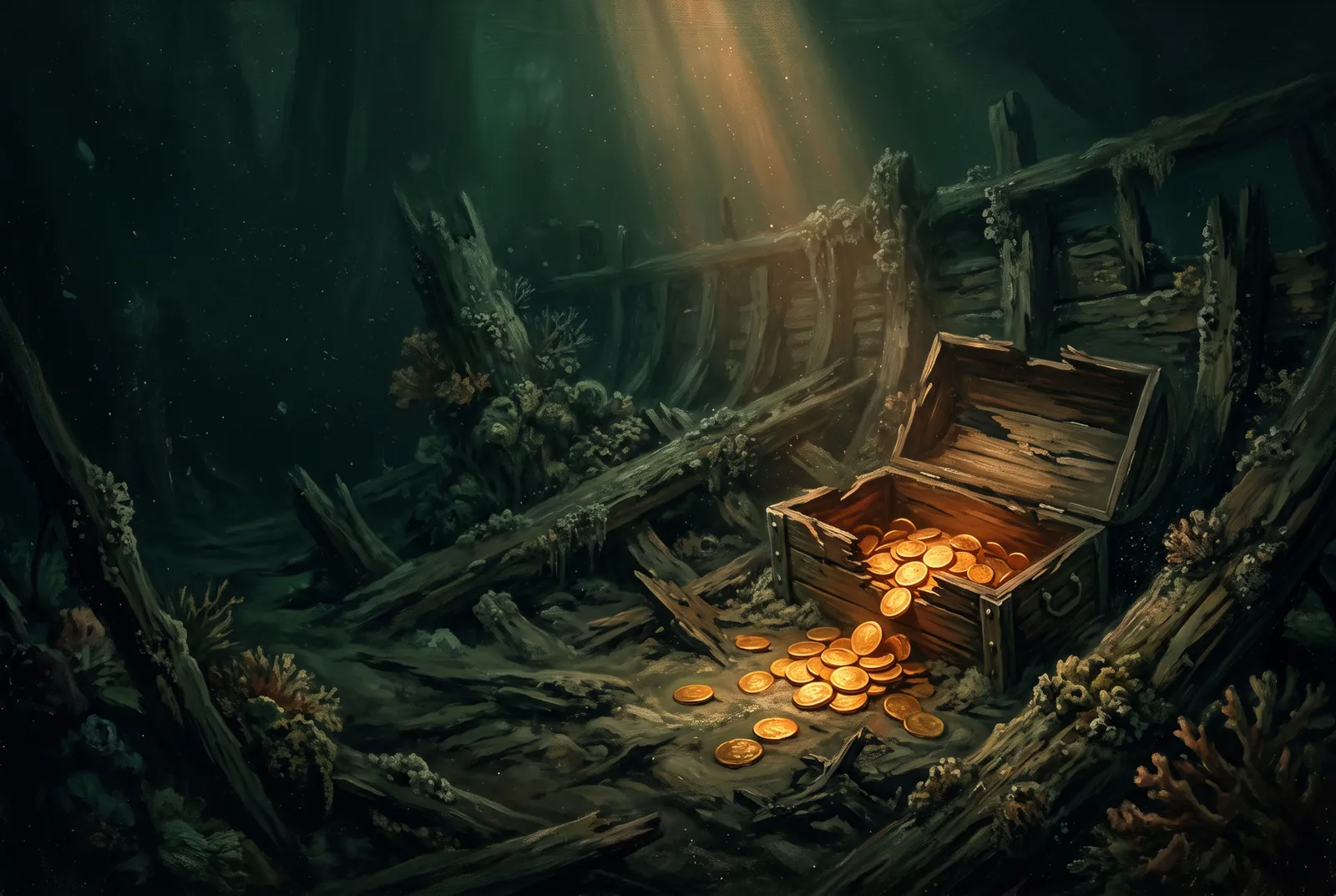
The first is durability. Money needs to withstand time and handling. Fresh fish won't do; gold, which comes out intact from a three-hundred-year-old shipwreck, works very well.
The second is portability. It must be possible to move value without a cart. This is where the stones of Yap are terrible and a digital file is unbeatable.
The third is divisibility. It must be possible to pay for both a house and a coffee. A cow is a disaster in this regard: half a cow isn't worth half a living cow.
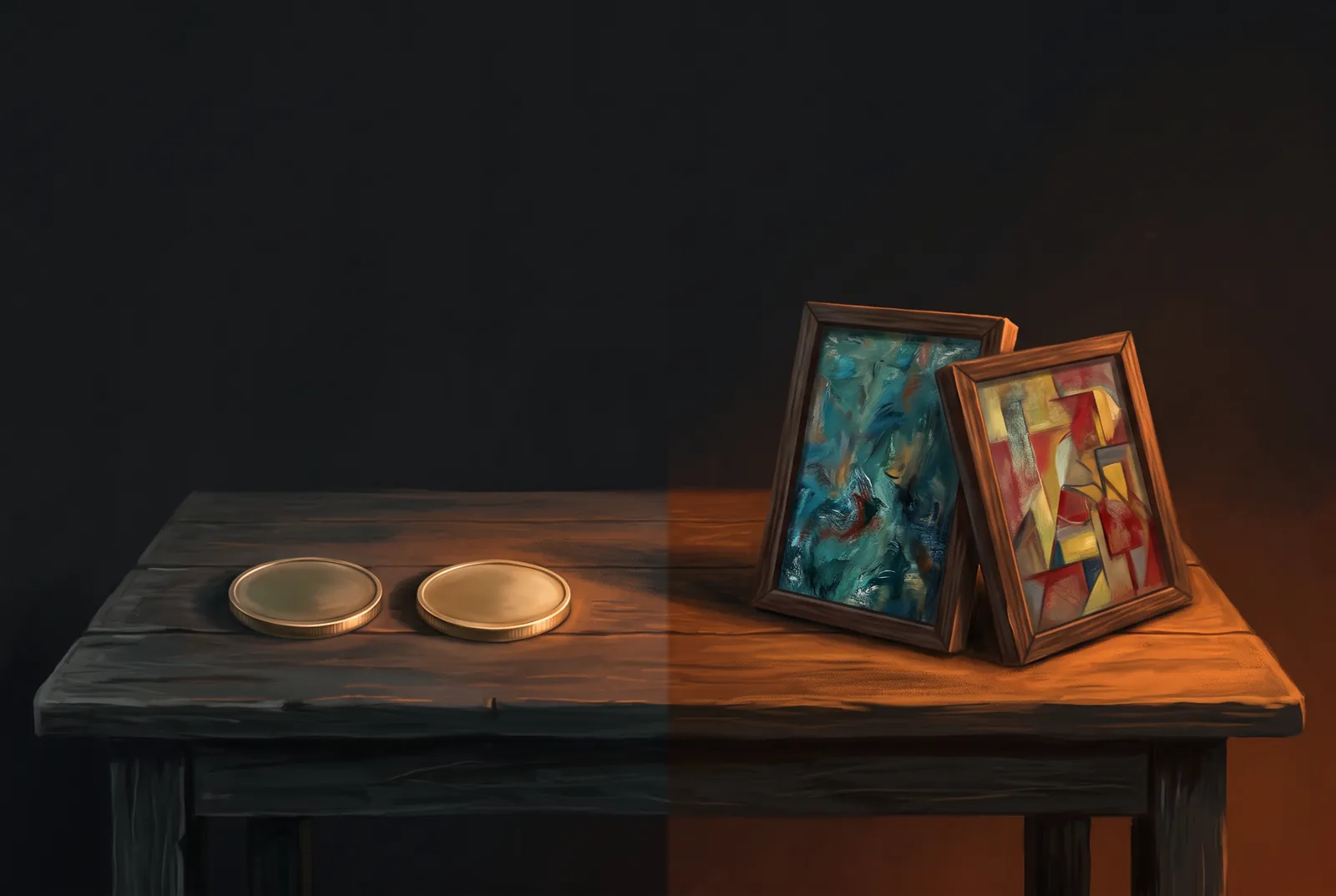
The fourth is fungibility. Each unit must be worth the same as any other. A twenty note is interchangeable with another twenty note; two paintings by the same artist are not interchangeable, which is why art isn't money.
The fifth is verifiability. It must be easy to confirm that something is authentic and expensive to counterfeit. Half of the history of minting, watermarks, and holograms is about this property.
The sixth is scarcity, and it is the most decisive. If anyone could produce more units at a low cost, everyone would, and the thing would cease to hold value. History has brutal examples of this. In West Africa, cowrie shells functioned as money for centuries — until European ships began bringing them by the ton from other oceans, and what was scarce locally ceased to be scarce. Those who hoarded shells were ruined without having done anything wrong.

And there is the seventh, which is not a property of the thing, but of the people: consensus. Money is only money as long as others accept it. This is what makes a one hundred note worth one hundred, and it's what makes an old cruzeiro note, kept in a drawer, worth absolutely nothing today, even though the paper is the same.
The stones of the island of Yap show well how this consensus works. The largest weighed tons and didn't move; when they changed owners, the community simply knew who owned each stone. It is said that one of them sank into the sea during transport and continued to be accepted in payments because everyone agreed it existed and had an owner. The money there wasn't the stone — it was the shared record of who owned what. It's an idea that will sound familiar when we get to Bitcoin.
The uncomfortable side of this story is that consensus can be withdrawn, and sometimes it is withdrawn quickly. In hyperinflation, no one revokes the note by decree: people simply stop wanting to hold it, and purchasing power disappears in weeks. In prisons, where official currency doesn't circulate, cigarettes and soap take the place of money without anyone's authorization. Consensus doesn't ask permission to form or dissolve.

So it's worth keeping the conclusion of this lesson: there is no money with intrinsic value. There is money with good properties, which sustain consensus for longer, and money with bad properties, whose consensus dissolves sooner. When someone says Bitcoin is worthless because it's not backed by anything, the question to return is: and what exactly backs the note in your pocket?
In the next lesson, what happens when scarcity fails from within, in the money you are forced to use.