The way inflation is usually described hides what it really is. The news says "prices have risen," as if products had decided this on their own. A more honest description is the reverse: most of the time, it's not the bread that has become more expensive, it's the money that has become smaller.
The basic relationship is simple. If the amount of goods and services in an economy grows slowly and the amount of money grows quickly, there are more monetary units competing for the same things, and the price of each thing in monetary units rises. No one needed to conspire. It's arithmetic.
This doesn't mean that every price increase is monetary inflation. A drought destroys a crop and coffee becomes more expensive; a war closes a route and freight becomes more expensive. These are relative price increases, and they correct themselves when the cause passes. The inflation that matters here is the one that affects everything at the same time, year after year, and doesn't reverse: this is about money, not products.
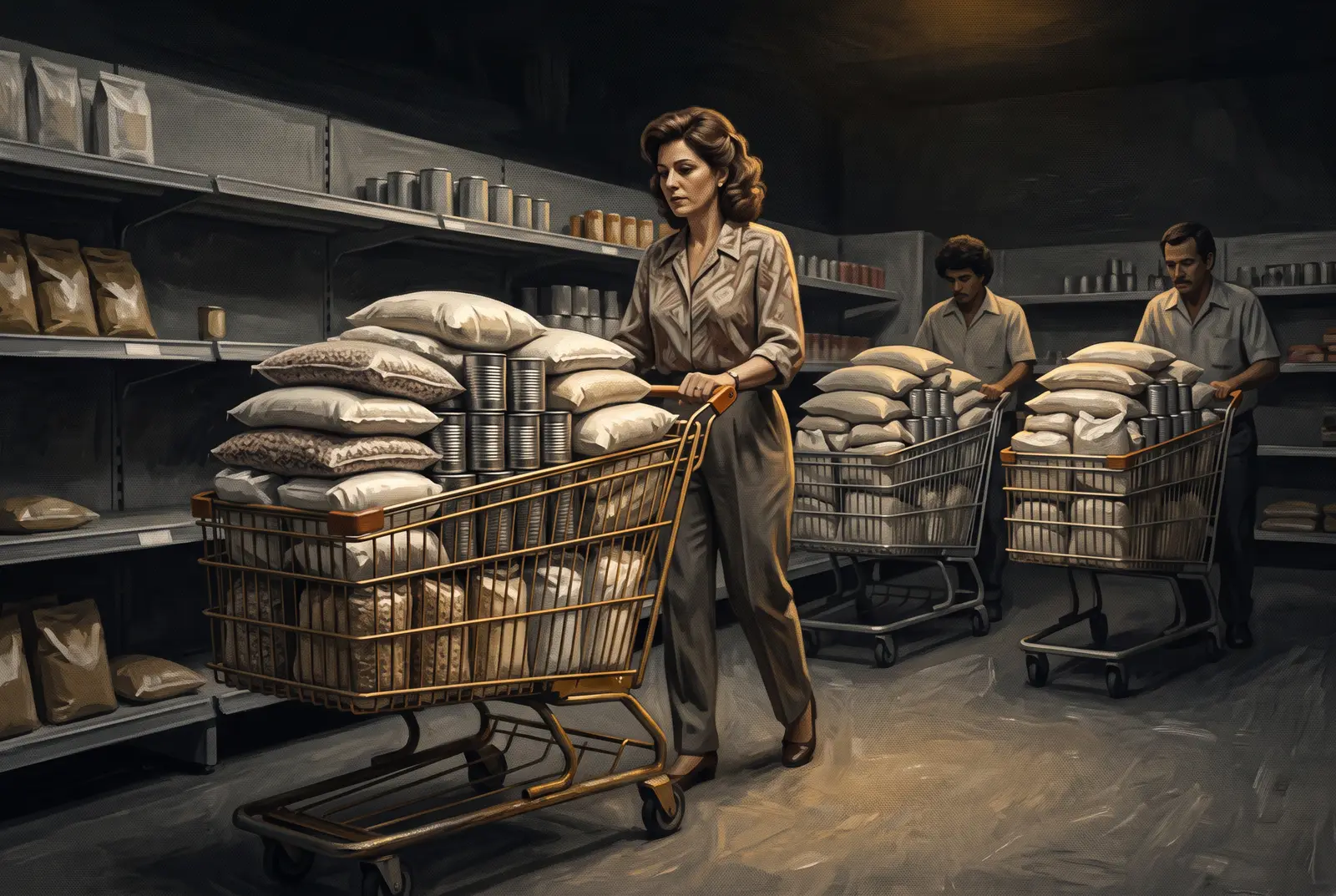
Brazil knows the subject better than almost any country. Between 1986 and 1994, the Brazilian currency was changed five times — cruzado, cruzado novo, cruzeiro, cruzeiro real, and finally real. Each change cut zeros and came with a plan that promised to end rising prices. There were price freezes, tables, inspectors in supermarkets, and yet prices changed more than once in the same week. Those with fixed salaries saw their value melt away between payday and shopping day. Buying a month's worth of groceries on payday wasn't organization, it was defense.
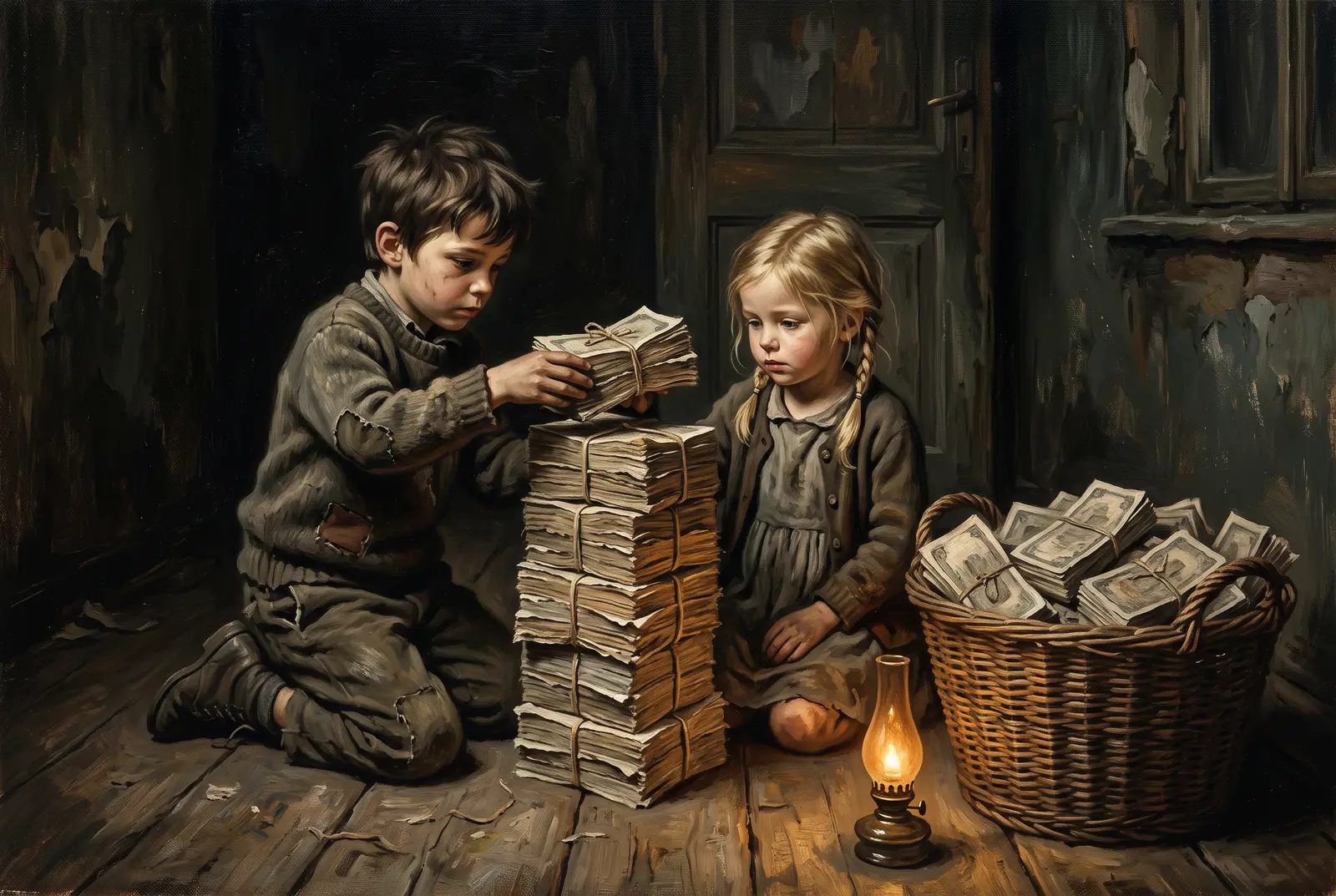
Extreme cases make the lesson even clearer. In Germany in 1923, rampant printing led to the highest value note being in the trillions of marks, and photos circulated of children stacking bundles of money like building blocks. In Zimbabwe, in 2008, there was a hundred trillion Zimbabwean dollar note — which couldn't buy a bus ticket. In none of these cases did the country suddenly produce less. What changed was the amount of money.
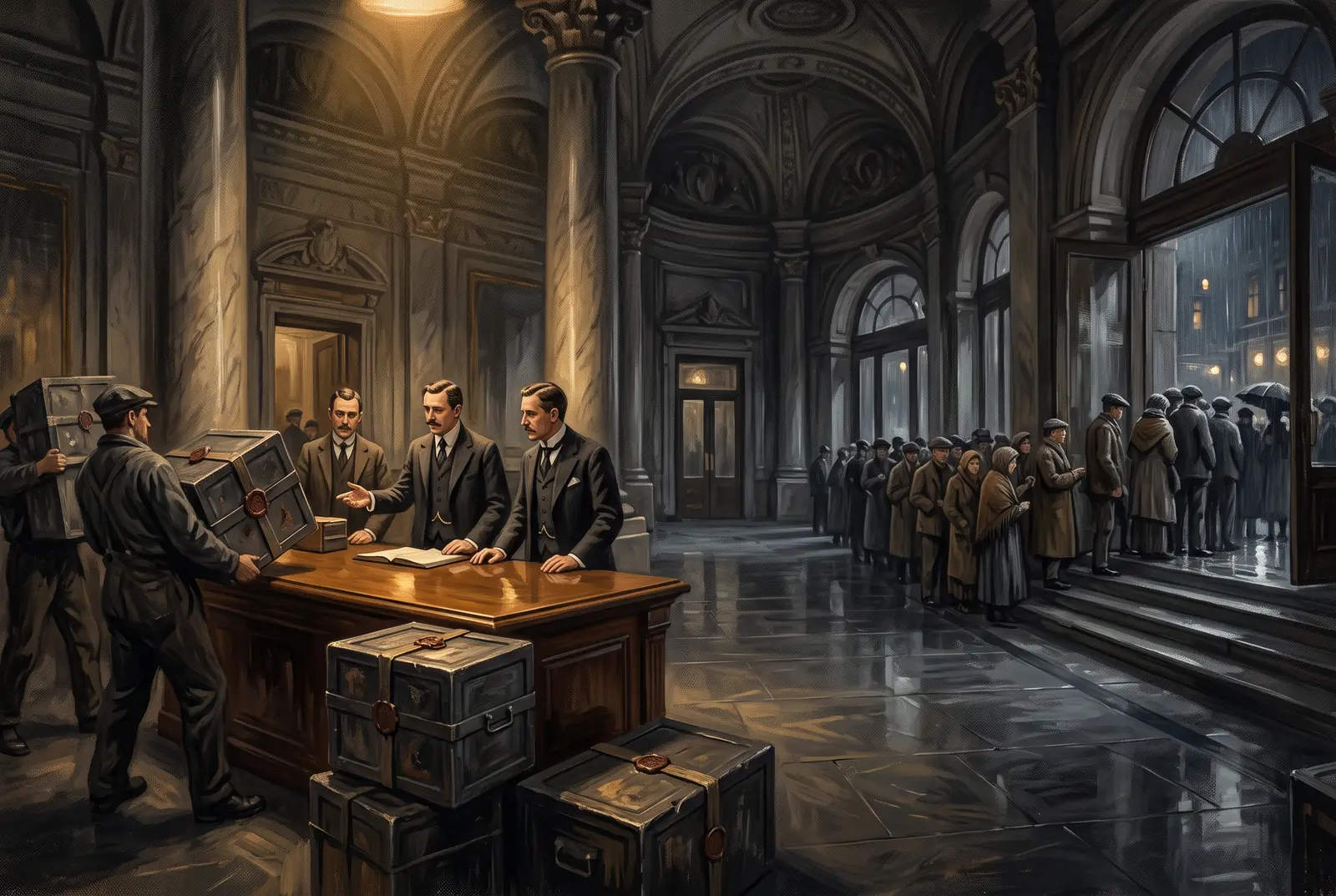
There is a less discussed and more important detail than the average price: who receives the new money first. The created money doesn't reach everyone at the same time. It enters through a specific place — banks, government bonds, large credit borrowers — and those close to this door spend before prices have risen. Those far from it receive the money later, when prices have already gone up. This is called the Cantillon effect, and it's why inflation is not a uniform tax: it transfers purchasing power from those at the end to those at the origin.
A second consequence is what inflation does to behavior. If saving money guarantees a loss, saving stops being prudence and becomes a loss. People anticipate: they buy what they don't need now, go into debt in currency that will be worth less, seek any asset that holds value. A society that cannot save securely has more difficulty planning long-term, and long-term planning is what builds anything significant.
It's worth understanding the scale. An inflation rate of 6% per year seems modest, but maintained over thirty years, it reduces the purchasing power of each real saved to about 17% of what it was. There was no event, no crisis, no headline. The value simply slipped away.
That's why scarcity, in the previous lesson, was the most decisive property. Money whose quantity is someone's decision is money whose store of value depends on the judgment — and interest — of the decision-maker. Money with a verifiable limit, which no one can alter, is a different proposition. Bitcoin has a limit of 21 million units written into its rules, and what makes this number interesting is not the number itself: it's the fact that anyone can check if it is being respected.
Before getting there, it's necessary to understand the system that creates most of the money circulating today. That's the next lesson.