The note you made today needs to remain legible after a move, a flood, a fire, two decades of humidity, and even your own funeral. None of these scenarios are far-fetched: they are the four most common ways a backup fails, and three of them happen while the owner is still alive to see it.
Paper loses to all of them. Ballpoint pen ink fades, printer ink dissolves in water, and the paper itself catches fire at around 230 degrees — while a typical house fire exceeds 800 degrees. It's not that paper is useless: it's excellent for writing today and terrible for lasting thirty years without care.
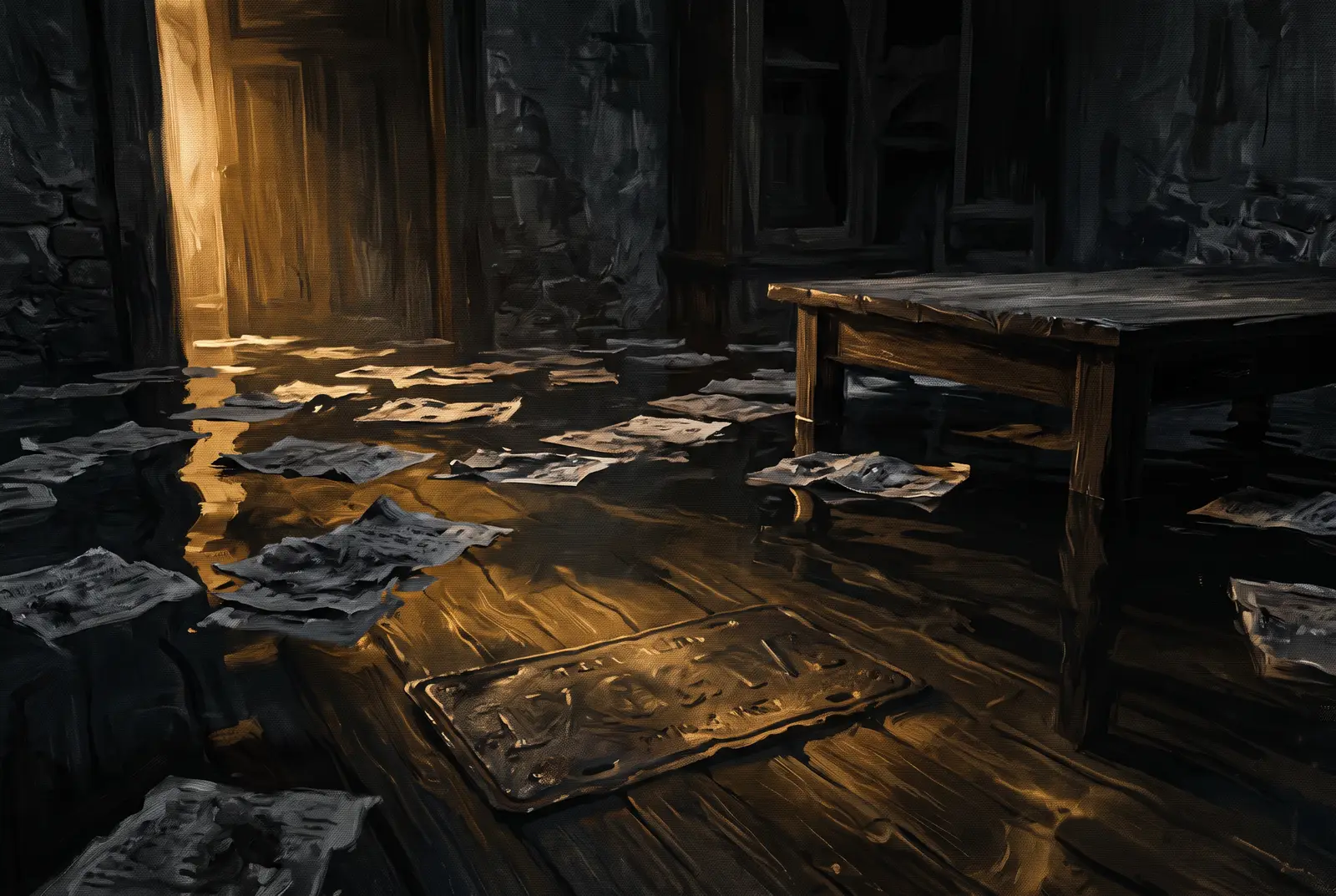
That's why metal backups exist. These are stainless steel or titanium plates where words are engraved, punched, or assembled with individual letters. Stainless steel only melts near 1,400 degrees and titanium above 1,660 — both comfortably survive the worst domestic fire. In 2018 and 2019, developer Jameson Lopp bought dozens of these products and subjected them to blowtorches, hydraulic presses, and acid, publishing which ones withstood the tests and which ones turned into puddles. It's worth reading before buying: the difference between models is huge.
Metal solves the fire and water issues, but not the rest. Against theft, moving, and simple forgetfulness, what works is geographical redundancy: at least two copies in two places that cannot be destroyed by the same accident nor visited by the same person in one afternoon. The beginner track has already emphasized this, and the reason remains the same — except now you also have a passphrase and, perhaps, a multisig descriptor to store, and each piece needs its own account.
Two temptations deserve explicit refusal. The first is photography, which the beginner track has already condemned for a reason worth repeating: the phone sends the image to the cloud before you close the camera. The second is the password manager, which is excellent and solves another problem — it protects against those who guess, not against those who are already inside the machine where everything is open at the same time.
Verification is the part almost everyone skips. Restoring means taking the note, typing it into a clean device, and seeing the correct addresses appear — not just looking at the paper and assuming everything is fine. Do this once when creating the wallet and once after any major change, with the device disconnected. It's the only time you can discover an error while it can still be fixed.
There's one problem that no metal can solve: your death. An heir needs three things, in this order. They need to know the wallet exists because no one searches for what they don't know is there. They need to know where the instructions are. And they need instructions they can follow without knowing anything about Bitcoin — the app name, what the phrase is, what the passphrase is, how many keys are needed, and in what order.
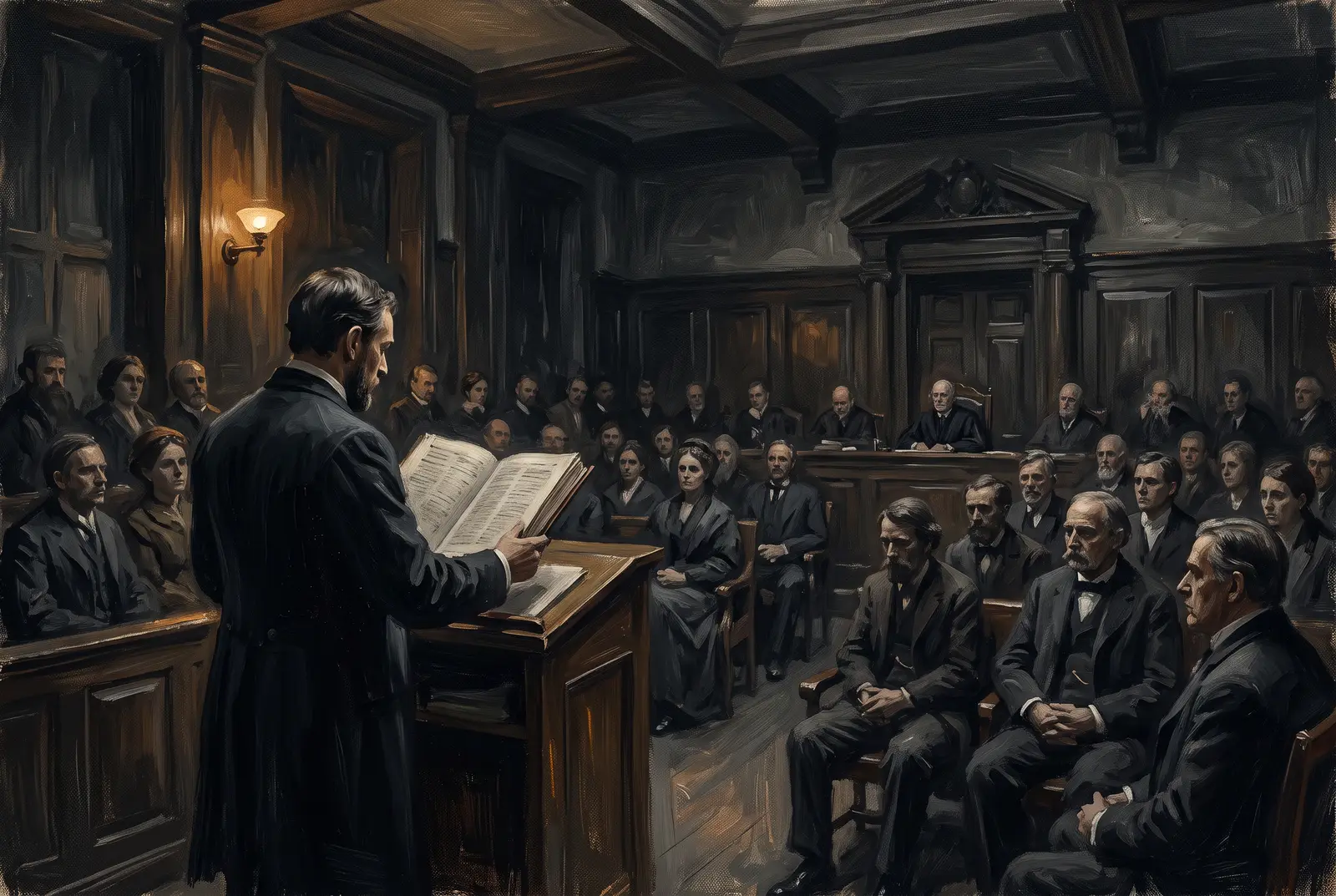
And there's a legal trap that can be costly. In many places, the inventory becomes a document accessible to third parties, so the words should never go inside the will. The will states that it exists and where to look; the secret resides elsewhere, in a sealed envelope with someone trustworthy, in a bank vault, or in a key of a multisig given to the heir.
Those who want to go further can set up the inheritance on the network itself: Bitcoin allows you to write a time lock, a condition that only becomes spendable after a certain date. It's a mechanism of the coin's own script and is the subject of the next module — along with everything else a transaction carries inside. After two tracks taking care of your keys, it's time to look at the network that obeys them.